
We all carry the weight of past mistakes. Regret is a universal human experience, and sometimes the guilt we hold onto can feel incredibly heavy. When the burden of our choices presses down on us, a profound question often echoes in our minds: how forgiving is God? We wonder if we have crossed a line, gone too far, or repeated the same mistake too many times to earn a second chance.
Understanding the nature of divine mercy changes everything. It shifts our perspective from fear to hope. By looking at the spiritual foundations of grace, we can find a path out of guilt and into genuine freedom. This post explores the true extent of divine mercy, what it means to reconcile with your faith, and how you can step out of the shadows of past mistakes to live a fully forgiven life.
Biblical Foundations of Forgiveness
The scriptures are filled with stories and verses that highlight a Creator who is eager to pardon. From the very beginning, the biblical narrative is driven by redemption. Ancient texts consistently describe God as compassionate, gracious, and slow to anger.
Take a look at the Psalms, for example. Psalm 103 explicitly states that God removes our transgressions as far as the east is from the west. That is a measurable distance of infinity. Furthermore, the New Testament echoes this promise. First John 1:9 offers a clear guarantee that if we confess our mistakes, God is faithful and just to forgive us and cleanse us from all unrighteousness. These are not just comforting words; they are the bedrock of spiritual theology. Forgiveness is not a reluctant concession. It is a core attribute of God’s character.
The Depth of God’s Mercy
Mercy is often difficult for humans to fully grasp because our own capacity to forgive is limited. We keep score. We remember offenses. God’s mercy operates on an entirely different level.
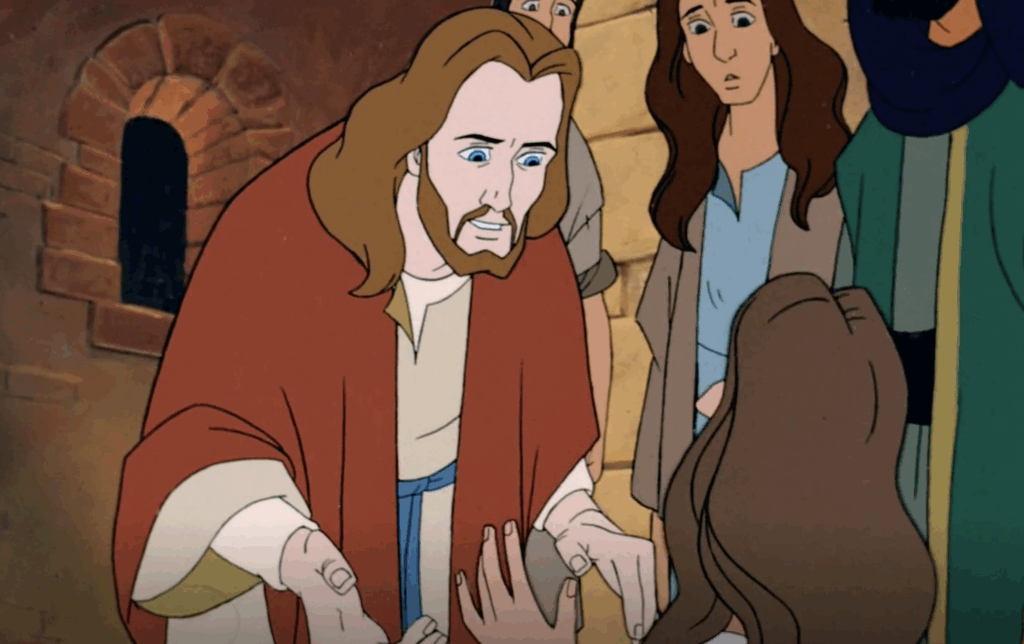
One of the most famous illustrations of this is the Parable of the Prodigal Son. In the story, a young man demands his inheritance, leaves home, and squanders everything. When he hits rock bottom, he decides to return home, hoping only to be treated as a hired servant.
Instead, his father sees him from a distance, runs to him, and throws a massive celebration. The father does not demand a repayment plan or a period of probation. He simply rejoices that his child has returned. This story perfectly illustrates the depth of divine grace. There is no pit so deep that God’s love is not deeper still.
Repentance and Reconciliation
While grace is freely available, it involves an active response on our part. This is where repentance comes into play. Repentance is a word that often carries negative, heavy baggage, but its original meaning is quite beautiful. It simply means to change your mind or to turn around.
Receiving forgiveness requires us to acknowledge our missteps and make a conscious decision to turn back toward the light. It is an honest admission of our flaws. When we practice genuine repentance, we open the door to reconciliation. The relationship between humanity and the divine is repaired. It is important to note that this is not about achieving perfection. It is about maintaining a posture of humility and a willingness to grow.
Overcoming Obstacles to Receiving Forgiveness
Even when we understand that God offers endless grace, we often stand in our own way. One of the biggest obstacles to receiving forgiveness is the inability to forgive ourselves. We hold ourselves to impossible standards and replay our failures on a continuous loop in our minds.
Feelings of unworthiness can create a thick barrier between us and spiritual peace. We might think that our specific mistakes are the exception to the rule of grace. To overcome this, we must recognize that doubting God’s forgiveness is actually doubting God’s promises. Letting go of self-condemnation requires practice.

It involves replacing the lies of unworthiness with the truth of spiritual acceptance. When you catch yourself dwelling on past sins that have already been surrendered, gently remind yourself that those debts have been cleared.
Living a Forgiven Life
Accepting divine grace should fundamentally change the way we live every single day. A forgiven life is characterized by freedom, joy, and a renewed sense of purpose. You no longer have to operate out of a fear of punishment.
Moreover, experiencing this profound mercy equips us to extend it to others. When you realize how much you have been forgiven, holding onto grudges against your neighbors becomes increasingly difficult. A forgiven person becomes a forgiving person. This creates a beautiful ripple effect in our communities. We start to build healthier relationships, navigate conflicts with grace, and offer the same second chances that we have received.
The Endless Grace
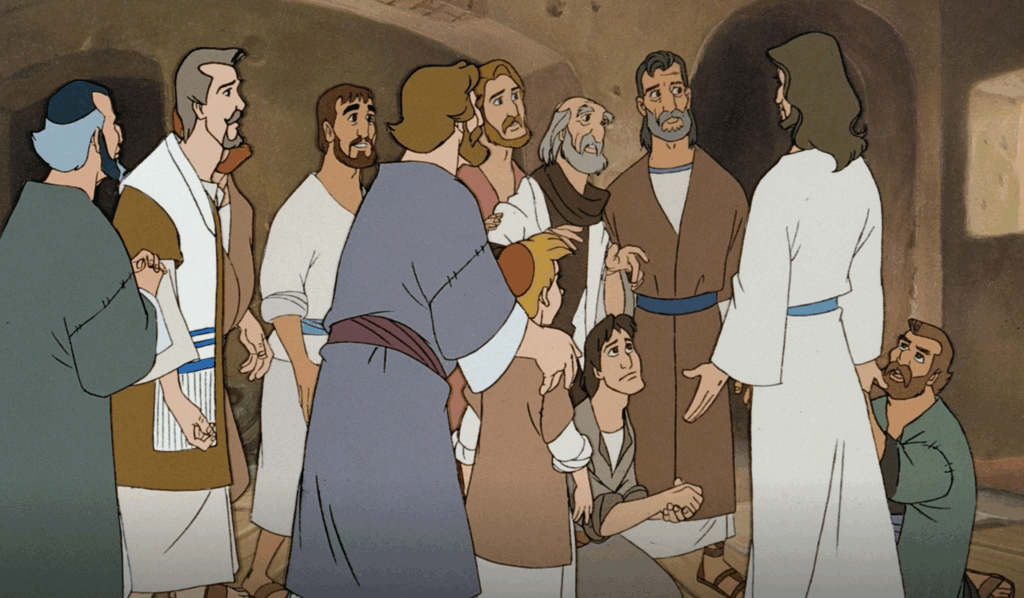
The answer to the question of how forgiving God is can be summed up in one word: infinitely. There is no quota on grace, and there is no expiration date on mercy. No matter where you have been or what you have done, the door to reconciliation remains wide open.
Take a moment today to reflect on the areas of your life where you are holding onto guilt. Lay those burdens down. Reach out to a trusted spiritual mentor, join a community of faith, or simply spend some quiet time in prayer to accept the grace that is waiting for you. Step into the freedom of the endless grace that has always been yours to claim.