Humility can be easy to misunderstand. Being humble does not mean believing we have little value or ignoring the gifts God has given us. Instead, humility helps us recognize that those gifts come from God and can be used to bless others.
When we are humble, we are willing to depend on God rather than believing we have to do everything on our own. We become more teachable, more willing to listen, and more aware of the people around us. Instead of constantly asking what we want or what others think of us, we begin looking outward to others and upward to God.
Jesus gave us the perfect example. He said, “Blessed are the meek: for they shall inherit the earth” (Matthew 5:5, KJV). Later, He invited His followers to “learn of me; for I am meek and lowly in heart” (Matthew 11:29, KJV).
Meekness and humility are closely connected. Both require us to set aside pride, trust God, and remain willing to learn. Jesus had every reason to claim honor and recognition, yet He chose to serve. His life showed us that greatness in God’s eyes looks very different from greatness in the world.
This month’s featured films on Living Scriptures+ explore humility from several perspectives. Through stories of achievement, selfless service, quiet kindness, and courageous faith, each reminds us what can happen when we spend less time focusing on ourselves and more time looking to God and serving others.
Greater
Greater tells the true story of Brandon Burlsworth, who dreamed of playing football for the University of Arkansas. Without the advantages or natural recognition given to many top athletes, Brandon begins as a walk-on and works tirelessly to earn his place on the team.
As his abilities grow, Brandon’s character remains an important part of his story. His faith, work ethic, and determination remind us that we can pursue excellence without making recognition our goal.
Humility helps us see our abilities as opportunities to serve God rather than reasons to place ourselves above others. Proverbs 22:4 (KJV) teaches, “By humility and the fear of the LORD are riches, and honour, and life.”
Brandon’s journey also reminds us that our worth does not depend on whether other people recognize our potential. We can quietly do our best, remain faithful, and trust God with the outcome.
Faith is often strongest when life feels most uncertain. In moments when we don’t have answers, we can choose to trust that God is still present and still at work. The Garrett family’s perseverance reminds us that God’s peace can sustain us, even in our darkest hours.
Psalm 46:1 (KJV) declares, “God is our refuge and strength, a very present help in trouble.” Even when circumstances are beyond our control, we can place our confidence in Him.
Discussion Questions
- How did Brandon respond when other people underestimated him?
- What examples of humility did you notice in Brandon’s journey?
- How can someone become successful without becoming prideful?
- How did Brandon’s faith influence the way he approached his goals?
- How can we use our own talents to honor God and help others?

The Least of These: The Graham Staines Story
Based on true events, The Least of These: The Graham Staines Story follows missionary Graham Staines, who devoted his life to serving people with leprosy in India. When journalist Manav Banerjee begins investigating Staines and his missionary work, what he discovers challenges his assumptions about the man and his motives.
Graham’s life offers a powerful picture of humility through service. He chose to spend his life caring for people who were often rejected and overlooked by society. His example reminds us that following Christ means noticing those who may be forgotten and being willing to serve without seeking recognition in return.
Jesus taught in Matthew 25:40 (KJV), “Inasmuch as ye have done it unto one of the least of these my brethren, ye have done it unto me.” Humility turns our attention away from our own importance and toward the people God has placed in our path. When we serve them with compassion, we are also serving Him.
Discussion Questions
- What motivated Graham Staines to devote his life to serving others?
- How did Manav’s understanding of Graham change as he learned more about him?
- What does Graham’s work teach us about serving people who may be overlooked by others?
- Why does serving without seeking recognition require humility?
- How does Jesus’ teaching about “the least of these” change the way we think about serving others?

The Letter Writer
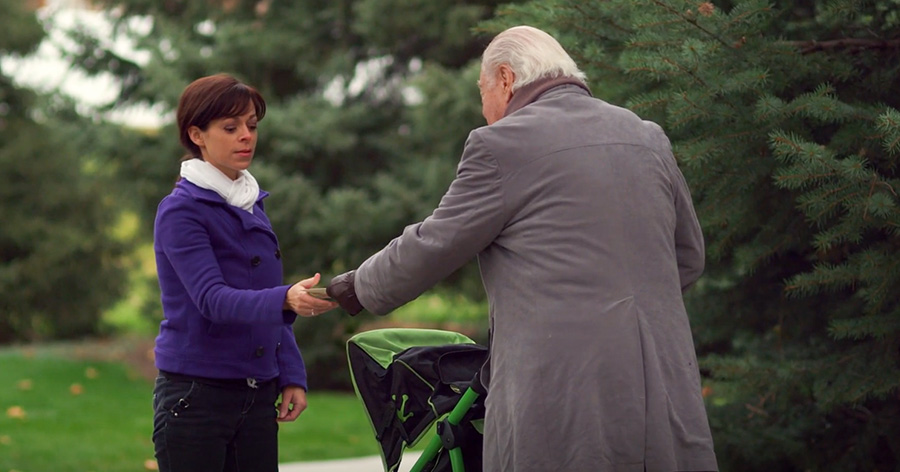
In The Letter Writer, a teenage girl named Maggie receives an unexpected letter filled with encouragement. Her search for its author leads her to Sam, an elderly man who spends his time writing thoughtful letters to people, often without knowing how much his words will mean to them.
Sam does not encourage people because he wants attention or praise. He simply sees an opportunity to lift someone and acts on it. Through his example, Maggie begins to see both herself and the people around her differently.
His quiet service is a beautiful example of humility. Sometimes the greatest influence we have comes through things few people will ever notice. A kind word, a sincere compliment, or a few minutes spent encouraging someone can make a lasting difference.
Philippians 2:3 (KJV) teaches, “Let nothing be done through strife or vainglory; but in lowliness of mind let each esteem other better than themselves.” Humility helps us notice people. When our attention is not centered on ourselves, we have more room to recognize when someone else needs encouragement.
Discussion Questions
- Why do you think Sam wrote letters to people without expecting anything in return?
- How did Sam’s example change Maggie?
- What does the film teach us about noticing the good in other people?
- Why can serving quietly require humility?
- Who could you encourage this week without expecting anything in return?
The Animated Old Testament: Esther
Esther’s story combines courage, faith, and humility in a remarkable way. After becoming queen, Esther finds herself in a position of influence at exactly the moment her people face terrible danger.
She could have remained silent and protected herself. Instead, she listened to Mordecai’s counsel, fasted, and prepared to approach the king on behalf of her people.
Mordecai asks her an unforgettable question in Esther 4:14 (KJV): “And who knoweth whether thou art come to the kingdom for such a time as this?”
Esther’s humility is reflected in her willingness to recognize that her position may have been given to her for a purpose beyond herself. She sought help, listened to counsel, and risked her own safety to serve others.
Her story reminds us that humility does not require us to hide our abilities or avoid positions of influence. Instead, it changes what we do with them. We can ask God how our opportunities, talents, and circumstances might be used to accomplish His purposes and bless His children.
Discussion Questions
- How did Esther use her position to help others rather than herself?
- Why were seeking help and fasting important parts of Esther’s decision?
- How can being teachable demonstrate humility?
- What talents or opportunities has God given you that could bless someone else?
- What does Esther’s story teach us about putting God’s purposes before our own?

Looking Outward and Upward
Humility changes where we place our attention. Instead of constantly comparing ourselves to others or worrying about how we are perceived, we can look outward and notice the people God has placed around us. We can also look upward, recognizing our dependence on Him.
That shift can bring tremendous peace.
We do not have to prove that we are the greatest. We do not have to have every answer. We can learn, serve, grow, and trust God with what comes next.
Jesus taught, “Whosoever therefore shall humble himself as this little child, the same is greatest in the kingdom of heaven” (Matthew 18:4, KJV). His definition of greatness invites us away from pride and toward a life centered on faith, service, and love.
The stories in this month’s playlist show us humility in very different circumstances. Brandon Burlsworth quietly works toward an enormous goal while holding onto his faith. Graham Staines devotes his life to serving people others had often overlooked. Sam uses simple words to lift and encourage strangers. Esther recognizes that her position can be used to protect and serve her people.
Each points us toward the same truth: when we spend less time focused on ourselves, we have more room to see the needs of others and recognize what God can do through us.
MORE ON LIVING SCRIPTURES+
Stories of Humility
Humility can change the way we see our talents, our opportunities, and the people around us. As you watch this month’s featured films, look for the moments when someone chooses service over recognition, remains teachable, or trusts God rather than relying only on themselves.
Explore this month’s value-based playlist on Living Scriptures+ and enjoy stories that inspire us to look outward, look upward, and follow Christ’s example of humility.