

Pride sits at the heart of many personal struggles and broken relationships. Throughout Scripture, we see it emerge as a persistent spiritual danger—one that quietly distorts our view of ourselves, others, and God. While confidence and self-respect have their place, the Bible draws a clear line between healthy self-awareness and destructive pride.
Understanding what the Bible teaches about pride matters because this issue affects every area of life. From our relationships to our spiritual growth, pride can create barriers we don’t even recognize. The good news? The Scriptures offers both warnings and wisdom, showing us a better path forward through humility.
How the Bible Defines Pride
Biblical pride goes beyond mere arrogance or boasting. At its core, pride represents an inflated view of oneself that pushes God and others to the margins. It’s the belief that we’re self-sufficient, that our accomplishments stem solely from our own efforts, and that we deserve recognition above all else.
Proverbs 16:18 delivers one of Scripture’s most famous warnings: “Pride goes before destruction, a haughty spirit before a fall.” This verse captures how pride blinds us to our vulnerabilities and sets us up for failure.

The Bible distinguishes between two types of pride. The first is self-centered pride—thinking more highly of ourselves than we ought. Romans 12:3 addresses this directly: “Do not think of yourself more highly than you ought, but rather think of yourself with sober judgment.” The second is spiritual pride, where we trust in our own righteousness rather than God’s grace. This form of pride kept the Pharisees from recognizing Jesus, despite their religious knowledge.
James 4:6 reminds us that “God opposes the proud but shows favor to the humble.” This opposition isn’t arbitrary. Pride fundamentally contradicts the nature of a relationship with God, which requires acknowledging our dependence on Him.
Biblical Examples of Pride and Its Consequences
Scripture doesn’t just warn about pride in abstract terms. It shows us real people whose lives were derailed by it.
King Nebuchadnezzar stands as one of the most dramatic examples. As the powerful ruler of Babylon, he credited his achievements to his own greatness. In Daniel 4:30, he declared, “Is not this the great Babylon I have built as the royal residence, by my mighty power and for the glory of my majesty?”
God’s response was swift. Nebuchadnezzar lost his sanity and lived like an animal until he acknowledged God’s sovereignty. Only when he humbled himself did God restore his throne. His story illustrates how pride can strip away everything we think makes us secure.
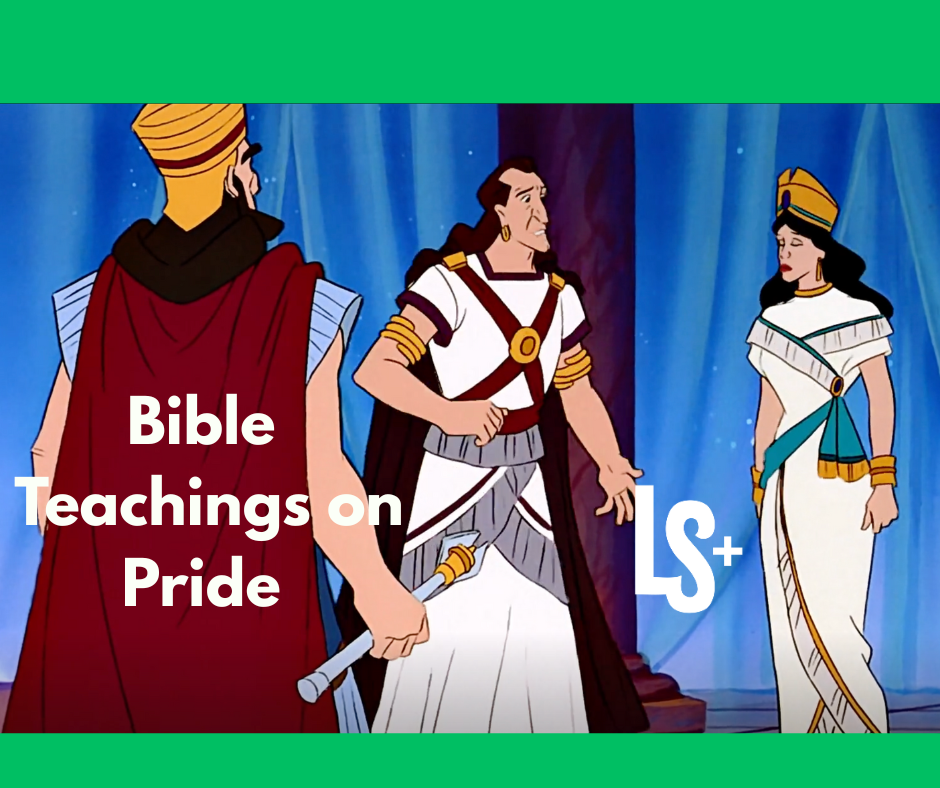
Haman, from the book of Esther, demonstrates how pride poisons relationships and judgment. Offended that Mordecai wouldn’t bow to him, Haman’s wounded pride escalated to genocidal plans against the Jewish people. His story ended with him hanged on the very gallows he’d built for Mordecai. Pride didn’t just cost him his position—it cost him his life.

Even King Saul, chosen and anointed by God, fell because of pride. When he disobeyed God’s explicit commands and then tried to justify his actions, his pride eventually led to the loss of his kingdom (1 Samuel 15:23).
These accounts share a common thread: pride distorts reality, damages relationships, and ultimately leads to downfall.
The Bible’s Call to Humility
While the Bible is clear about the dangers of pride, it’s equally emphatic about the beauty and necessity of humility. Humility isn’t weakness or self-deprecation. It’s an accurate assessment of who we are in relation to God and others.
Micah 6:8 summarizes what God requires: “To act justly and to love mercy and to walk humbly with your God.” Humility appears as a foundational virtue, alongside justice and mercy.

Jesus himself modeled perfect humility. Philippians 2:3-8 urges believers to adopt Christ’s attitude: “Do nothing out of selfish ambition or vain conceit. Rather, in humility value others above yourselves.” The passage goes on to describe how Jesus, though divine, “made himself nothing” and took on human form, ultimately dying on a cross. If the Son of God chose humility, how much more should we?
Proverbs 22:4 connects humility with blessing: “Humility is the fear of the Lord; its wages are riches and honor and life.” This doesn’t promise material wealth, but rather the true riches that come from a right relationship with God.
1 Peter 5:5-6 offers both a command and a promise: “Clothe yourselves with humility toward one another, because, ‘God opposes the proud but shows favor to the humble.’ Humble yourselves, therefore, under God’s mighty hand, that he may lift you up in due time.”
The pattern is consistent: God elevates those who humble themselves, while pride leads to a fall.
Practical Steps to Combat Pride
Recognizing pride in our lives can be difficult because it often wears disguises. Here are some practical ways to cultivate humility:
Practice gratitude regularly. When we acknowledge that everything we have comes as a gift, pride loses its foothold. Start each day by thanking God for specific blessings, both large and small.
Serve others without seeking recognition. Jesus washed his disciples’ feet to teach them about servant leadership (John 13:14-15). Find ways to help others where no one will notice or applaud you.
Accept correction with grace. Proverbs 15:31-32 says, “Whoever heeds life-giving correction will be at home among the wise. Those who disregard discipline despise themselves.” When someone offers constructive criticism, resist the urge to defend yourself immediately.
Celebrate others’ successes. Romans 12:15 instructs us to “rejoice with those who rejoice.” If you struggle with envy when others succeed, it may signal pride lurking beneath the surface.

Acknowledge your weaknesses. Paul wrote in 2 Corinthians 12:9-10 that he would “boast all the more gladly about my weaknesses, so that Christ’s power may rest on me.” Being honest about your limitations creates space for God’s strength.
Regularly examine your motives. Ask yourself why you do what you do. Are you seeking God’s approval or human praise? This kind of self-reflection helps identify pride before it takes root.
Pride in Contemporary Culture
Modern society often celebrates what the Bible calls pride. We’re told to “believe in yourself,” “trust your own truth,” and “never apologize for who you are.” Social media amplifies this message, creating platforms where self-promotion is the norm and followers become metrics of worth.
This cultural obsession with self manifests in various ways:
In relationships, pride prevents genuine connection. We struggle to admit when we’re wrong, apologize sincerely, or show vulnerability. Marriages fracture under the weight of two people too proud to bend.

In the workplace, pride creates toxic environments where collaboration suffers. When everyone wants credit and no one wants to shoulder blame, teams fall apart.
In spiritual life, pride keeps people from surrendering to God. The idea that we need a Savior offends our self-sufficient mindset. We want to be the heroes of our own stories.
Yet beneath all this bravado, many people feel empty. The relentless focus on self-promotion exhausts us. We compare ourselves to carefully curated images online and feel inadequate. The promise of pride—that elevating ourselves will bring satisfaction—proves hollow.
The Bible’s teaching on humility offers a counter-cultural alternative. Rather than constantly defending our image, we can rest in God’s acceptance. Rather than competing for recognition, we can find purpose in serving others. This approach doesn’t diminish our worth; it establishes it on a firmer foundation.
Finding Freedom Through Humility
Bible teachings on pride aren’t designed to shame us into submission. They’re meant to free us from the exhausting work of self-elevation and lead us toward genuine peace.
Pride promises fulfillment but delivers isolation and anxiety. Humility, on the other hand, opens the door to authentic relationships, personal growth, and deeper faith. When we stop trying to prove our worth and instead receive it as a gift from God, we discover the freedom to become who we’re truly meant to be.
The journey from pride to humility isn’t completed in a day. It requires ongoing attention, honest self-assessment, and dependence on God’s grace. But it’s a journey worth taking—one that leads not to self-destruction, but to the abundant life Christ promised.

As you reflect on these teachings, consider where pride might be operating in your own life. What would it look like to lay it down? What freedom might you find on the other side?
MORE ON LIVING SCRIPTURES+
Bible Teachings on Pride
Are you looking for a deeper, more meaningful way to bring scripture to life for your family? With Living Scriptures+, you can stream faith-filled movies, animated Bible stories, and inspiring original series that teach timeless lessons — including powerful teachings on Pride found throughout the Bible. Whether you’re a parent trying to teach Christlike values to your kids, or someone seeking to grow in your personal faith journey, Living Scriptures+ makes it easy and enjoyable to explore God’s word right from your home.
Our latest blog, Bible Teachings on Pride , dives into what it truly means to practice humility — and the best part? Many of the stories we reference are brought to life in beautifully animated films available only on Living Scriptures+. From the quiet strength of Moses to the servant-hearted example of Jesus, you’ll find these examples not just in written words, but in heartfelt storytelling that inspires action.
Don’t just read about humility — experience it. Start your free trial of Living Scriptures+ today and explore a growing library of over 1,000 titles designed to uplift, teach, and strengthen families. Whether you’re gathering for a Sunday movie night or looking for a quiet moment of reflection, Living Scriptures+ will help bring the Bible’s most important lessons — like pride — into everyday life.